Quality sleep changes everything after 40. Here's our honest, research-backed advice — plus the products we've actually tested — to help you fall asleep faster, stay asleep, and wake up rested.
Get the Free Sleep Guide →

Sleep doesn't just feel different after 40 — it genuinely changes. Deep sleep declines, melatonin production drops, and cortisol takes longer to fall in the evening. That's not a motivation problem or "just stress" — it's biology. The good news: once you understand what's actually happening, there's a lot you can do about it. Below you'll find our most-read sleep articles and the products we think are worth a closer look.
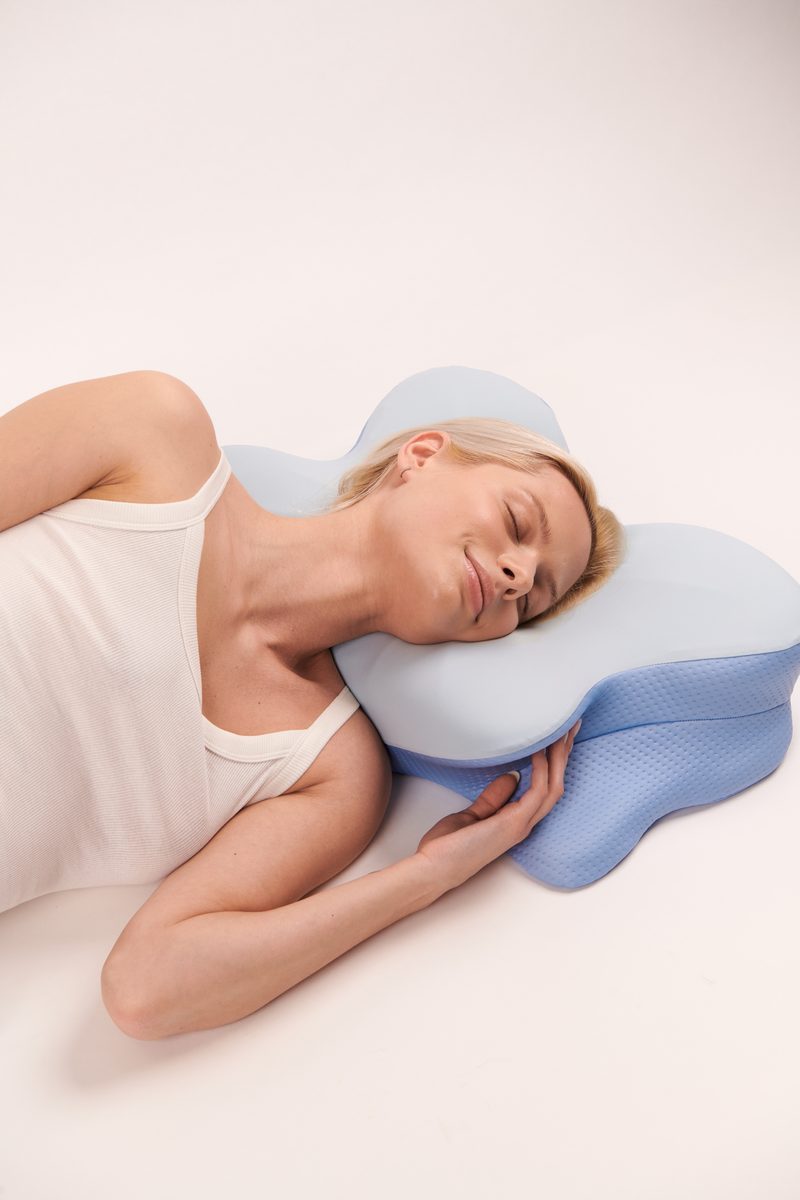
A butterfly-contour memory-foam pillow designed to support neck alignment. Many people say it helps with morning stiffness and more comfortable sleep.
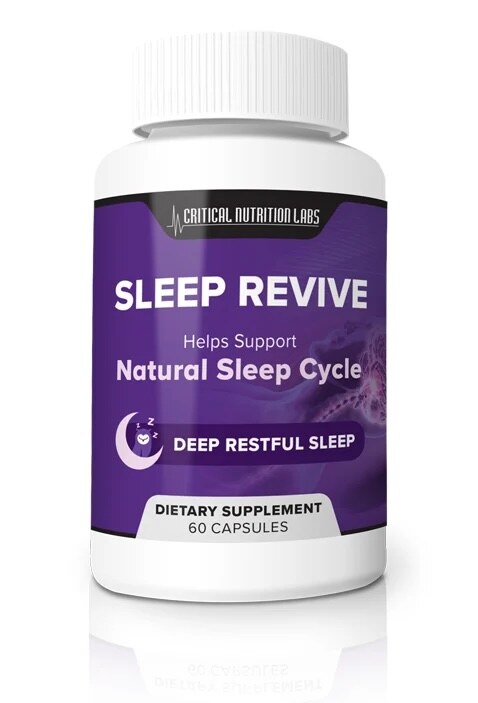
A night-time capsule with valerian, lemon balm, L-theanine and magnesium. I looked at what's in it, who makes it, the real US & UK prices and the returns small print, so you can decide if it's worth trying.
Research-backed, no fluff — written for what's actually changing in your body after 40.
A 2025 Nature study found that people consistently sleeping under six hours had brains that appeared older than their chronological age. The optimal window for lowest biological brain age was 6.4 to 7.8 hours.
The most common cause of the 3am wake-up isn't anxiety — it's a blood sugar crash. A small protein snack before bed and cutting alcohol within three hours of sleep resolve this for most people within a week.
Less deep sleep, reduced melatonin, cortisol that takes longer to drop in the evenings. Once you understand what's actually happening, you can finally do something about it — three changes, no supplements required.